Why Florida’s Commercial Real Estate Market Matters in 2026

Peter Katsarelis

Florida isn’t just a vacation destination anymore. In 2026, Florida has cemented itself as one of the most important commercial real estate markets in the country. Capital continues to flow in, businesses are relocating at scale, and population growth shows no signs of slowing. These forces combine to create sustained demand across nearly every commercial asset class, making Florida a market that investors, landlords, and tenants cannot afford to ignore.
One of the biggest drivers behind Florida’s commercial real estate strength is population growth. The state continues to attract retirees, remote workers, entrepreneurs, and major corporations fleeing high-tax, high-cost states. This steady influx of people creates a ripple effect throughout the economy. More residents mean more workers, more consumers, and more businesses that need space to operate. Commercial real estate benefits directly from this demand expansion, particularly in fast-growing metro and suburban corridors.
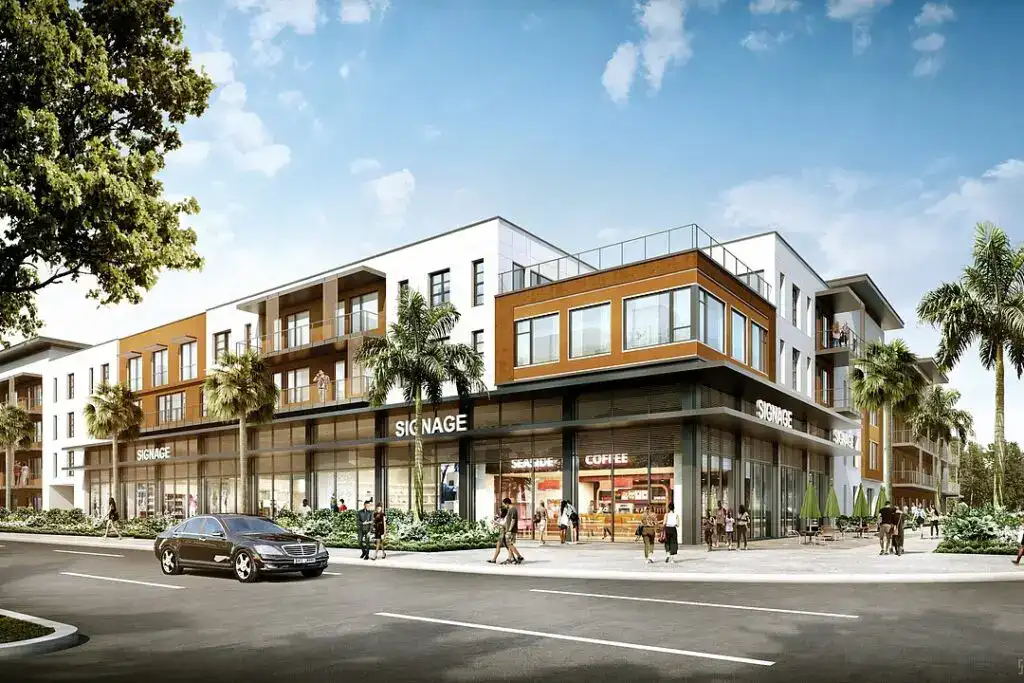
As population increases, demand rises for office space, retail centers, warehouses, multifamily housing, and mixed-use developments. Office demand has shifted toward smaller, more efficient spaces with higher-quality finishes and flexible layouts, especially for professional services and medical users. Retail demand has strengthened around service-oriented tenants such as restaurants, fitness, healthcare, and daily-needs providers that follow rooftops. Industrial and warehouse space continues to outperform due to e-commerce growth, last-mile delivery needs, and Florida’s expanding logistics infrastructure. Multifamily housing, while residential in function, remains one of the most stable and sought-after commercial investments due to persistent housing shortages. Mixed-use developments benefit from combining these uses into a single ecosystem, creating diversified income streams and long-term stability.
This population-driven demand fuels rental growth and supports higher property values. When demand outpaces new supply, landlords gain pricing power and properties experience stronger occupancy. Many Florida submarkets are still struggling to keep up with development needs, particularly in industrial and multifamily sectors. This imbalance allows rents to rise while maintaining healthy tenant demand, directly increasing net operating income and long-term asset appreciation.
Another critical reason Florida’s commercial real estate market matters in 2026 is the absence of a state income tax. This tax advantage is more than a lifestyle perk; it is a powerful economic engine. Corporations relocating to Florida reduce operating costs, high-income individuals retain more capital, and business owners have greater flexibility to reinvest in growth. Those savings don’t sit idle. They show up in stronger tenant balance sheets, higher rent tolerance, increased business formation, and more capital flowing into commercial properties.
Business relocations continue to reshape Florida’s commercial landscape. Companies in finance, healthcare, logistics, technology, and professional services are expanding their footprints across the state. Each relocation creates demand for office space, industrial facilities, retail services, and housing for employees. Commercial real estate follows jobs, and Florida continues to attract them at a national scale. This economic diversification also helps insulate the market from downturns tied to any single industry.
For investors, Florida remains a preferred destination because it combines growth with resilience. Markets with strong population trends, favorable tax policies, and diverse economic drivers tend to outperform over the long term. Even as interest rates and capital markets fluctuate, Florida’s fundamentals continue to support stable occupancy, competitive leasing activity, and sustained investor interest.
For property owners, this environment creates opportunities to push rents, improve tenant quality, and enhance exit values. For tenants, it means competition for well-located, high-quality space is increasing, making lease strategy and professional representation more important than ever. Florida is no longer a market where waiting pays off; decisive action and informed planning matter.
In 2026, Florida’s commercial real estate market matters because the numbers, the migration trends, and the capital flows all point in the same direction. People are moving in, businesses are expanding, and demand continues to outpace supply. Sunshine may get people here, but strong fundamentals are what keep them—and that’s why Florida remains one of the most compelling commercial real estate markets in the country.